

Process automation looks clean in diagrams. Arrows flowing smoothly between boxes, datasets gliding through systems, tasks chaining together with mechanical precision. The reality? It’s messier, louder, and much more temperamental — the engineering equivalent of raising a pack of semi-domesticated wolves: loyal when fed, unpredictable when startled, and always hungry for edge cases you didn’t know existed.
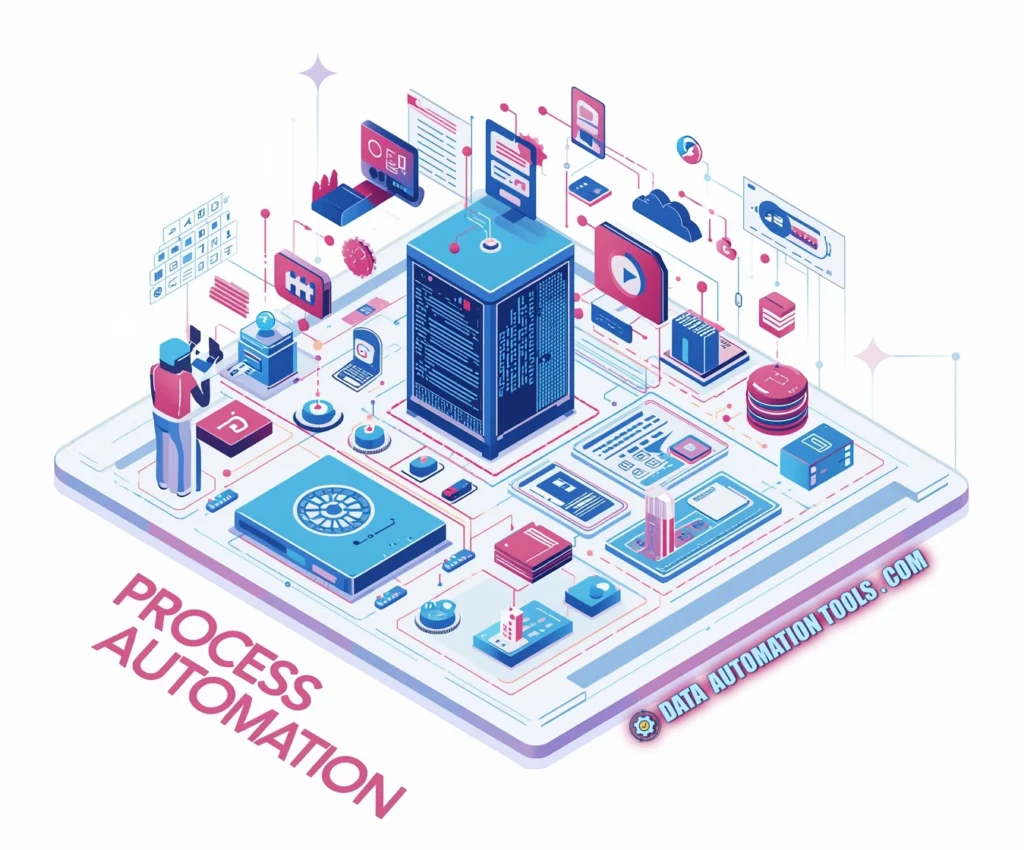
Process automation begins innocently enough. Someone writes a quick script because running a daily export manually is beneath their dignity and dangerously close to clerical work. The script works, so someone adds a notification. Then a retry loop. Then a database update.
Before long, that “simple helper” evolves into the backbone of a business workflow, duct-taped to three SaaS apps and running in a forgotten VM with a hostname nobody recognizes. And now you’re responsible for it, whether you want to be or not.
The Myth of Stability
People outside engineering love to talk about process automation as if it’s a solved problem. “We’ll just hook it up to the API,” they say, as if most APIs aren’t a roulette wheel wearing a swagger UI. Payload shapes change without warning. Error messages lie. Rate limits shift depending on the phase of the moon. Half your job becomes deciphering why today the upstream system thinks user_id should be an integer instead of a string.
Nothing teaches humility quite like watching a perfectly reasonable workflow implode because someone upstream decided to rename a field from dateCreated to createdAt. Or because they added an emoji to a name field and your downstream CSV parser reacted like it had swallowed poison.
Automation doesn’t fail consistently. It fails creatively.
State Is Where Everything Goes to Die
The job itself is never the hard part. The logic is usually straightforward: fetch thing, transform thing, send thing elsewhere. What turns simple routines into operational nightmares is state. What was processed? What wasn’t? What partially succeeded? What should be retried? What already got sent but never acknowledged?
You write one idempotent function, congratulate yourself, and then learn the bitter truth: everything needs to be idempotent. Your pipeline must withstand retries, partial failures, timeouts, double-sends, network naps, and the occasional full-scale meltdown of a downstream system. If you don’t make your workflows resilient, they accumulate ghosts — orphaned jobs, phantom retries, stuck messages — all waiting for the worst possible moment to reappear.
The moment you treat state casually, the pipeline makes you pay in blood.
Workflow Tools Don’t Save You — They Just Change the Shape of the Pain
Whether you use Airflow, Prefect, Dagster, Temporal, n8n, or the unofficial data-ops tooling of duct tape and bash scripts, it all ends the same way: the tool looks elegant at first, then slowly mutates as requirements creep and people come and go. Airflow DAGs turn into dependency spaghetti. Prefect jobs multiply like rabbits and no one remembers who configured half of them. Temporal workflows run flawlessly until you need to debug one, at which point you start questioning the nature of time itself.
Visual automation tools fare even worse. A drag-and-drop editor might feel empowering on day one, but give it six months and the workflow will resemble a conspiracy board — arrows everywhere, half-functioning branches, and a comment bubble reading “DO NOT TOUCH — IT WORKS (SORT OF).”
Every automation system grows toward entropy unless someone actively prunes it.
Monitoring Process Automation Isn’t Optional
— It’s the Only Thing Standing Between You and Chaos
A pipeline without monitoring is not automation. It’s gambling. Your logs need to be usable. Your dashboards need to show failure modes you didn’t anticipate. Your alerts should fire before your users notice something is wrong — not after your CEO forwards you an angry customer email with the subject line “URGENT.”
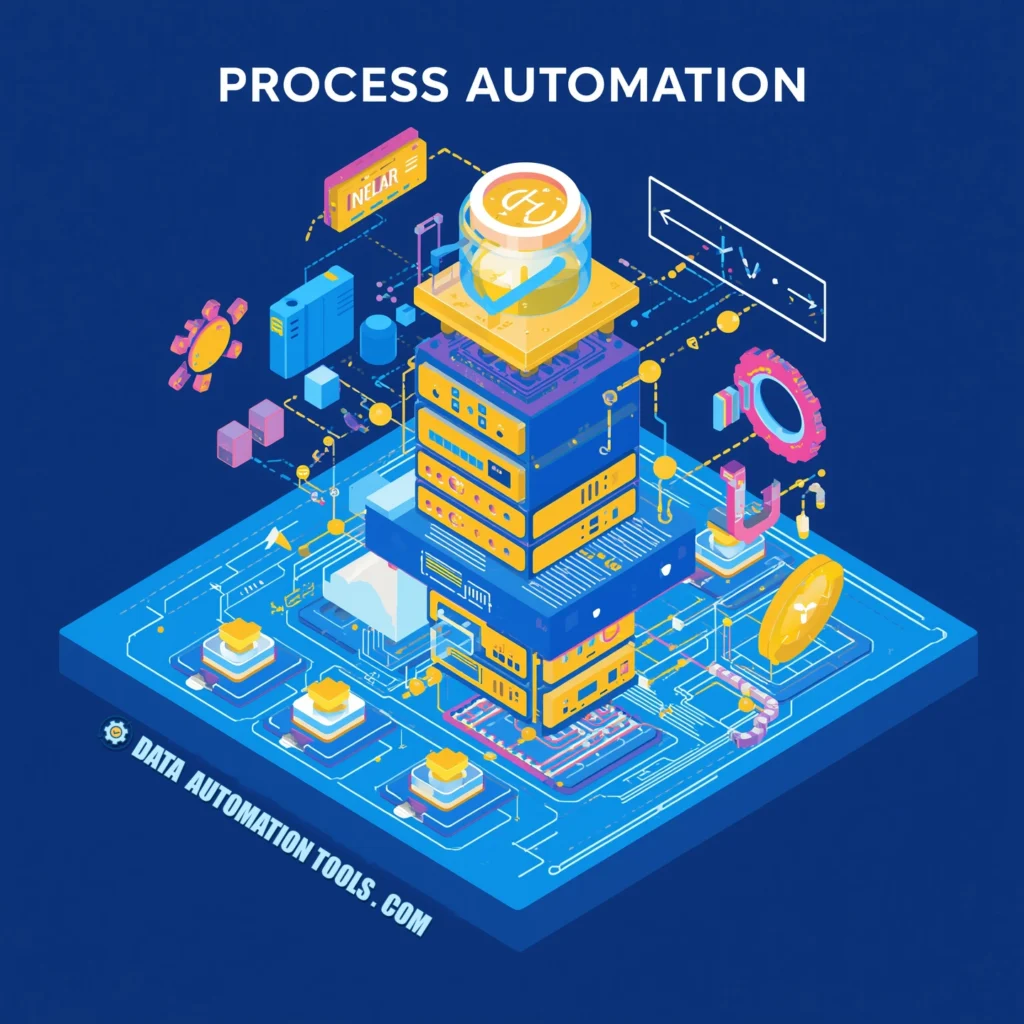
Every workflow needs guardrails: retries, dead-letter queues, sanity checks, schema validation, and enough observability to understand what the pipeline was thinking when it decided to unload 50,000 corrupted rows into production.
When automation breaks quietly, it’s never quiet for long.
People Create More Bugs Than Code Does
Process automation gets messy because humans change requirements faster than systems can adapt. Today a workflow assumes one data type; tomorrow someone wants to support five. Marketing reroutes a form. Sales introduces “just one new field.” Finance decides they need hourly reporting instead of daily. A new SaaS tool enters the stack. Someone unplugged the server. Someone left the company, taking the API key with them.
Everyone celebrates automation until they realize automation is a living thing. It ages. It sags. It needs maintenance. And like any living thing, if you neglect it long enough, it will absolutely turn on you.
The Truth About Process Automation
When automation is done right, it disappears. It doesn’t announce itself, it doesn’t stall the deployment pipeline, and it doesn’t generate six Slack alerts at midnight. It quietly moves data, triggers tasks, reconciles systems, and leaves no mess behind.
When it’s done wrong, it becomes unforgettable — a slowly expanding knot of obligations that requires weekly rituals of appeasement.
The real win in automation doesn’t come from clever tools or low-code drag boxes or orchestration dashboards. It comes from discipline: handling state deliberately, validating assumptions, monitoring everything, and refusing to let “just make it work” become a design philosophy.
In good systems, automation is a superpower.
In bad ones, it’s the reason you learn to drink coffee at 11 p.m.
Most engineering teams eventually discover they’ve built a bit of both.